45 Years of Experience
Dairy Industry Solutions
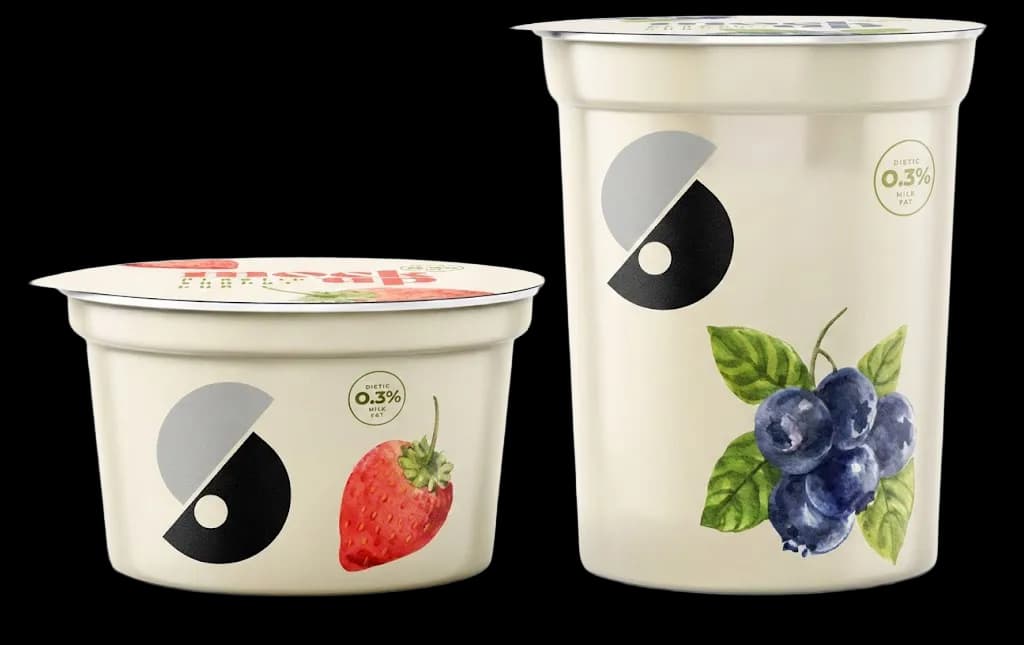
Industrial yogurt manufacturing requires a precise thermodynamic balance: milk treatment must be sufficiently severe to denature whey proteins (ensuring viscosity), but cooling and fermentation must be gentle to preserve the curd structure. At Sanchelima International, we offer process solutions that guarantee the texture, body and stability of the product, minimizing syneresis (whey separation) on the shelf.
The process begins with the base. Our HTST Pasteurizers (PMO and International) and Thermoplak Thermizers are configured with specific holding times to maximize hydrocolloid hydration and protein-water interaction. To ensure a stable emulsion and creamy texture, we integrate MG Series Homogenizers, designed to break fat globules to specific microns, preventing phase separation during incubation.
The heart of the plant lies in our Yogurt Maturers and Yogurt Production Module. Unlike conventional tanks, our equipment integrates heat exchangers, allowing exact temperature control during inoculation and, crucially, rapid cooling to stop acidification at the exact desired pH point. This ensures consistency batch after batch.
For the final stage, profitability depends on packaging speed and material cost. We offer two technological pathways:
1. Form-Fill-Seal (FFS) Systems: Our cup thermoform filler with lateral decoration manufactures the container from a plastic roll at the time of filling. This drastically reduces unit cost per container compared to preformed cups and optimizes raw material storage space.
2. Preformed Container Filling: The Automatic Rotary Filler offers versatility for rapid format changes in diversified productions.
We close the cycle with the Vertical Automatic Case Packer for thermoformed containers, which eliminates the manual bottleneck at the end of the line, organizing multi-packs directly into distribution boxes ready for palletizing. This integration reduces human intervention, lowering the risk of post-process cross-contamination.